Step by Step Cyber Compliance for UK SMEs Guide
- Gary Sinnott

- Jan 2
- 7 min read

Over 65 percent of British SMEs have experienced a cyber attack in the past year, exposing gaps that put critical contracts at risk. For SME owners across healthcare and legal sectors, proving compliance is no longer optional - it is essential for winning trust and high-value partnerships. This guide breaks down practical steps to help your organisation assess risks, build confidence, and achieve compliance with both Cyber Essentials and ISO 27001.
Table of Contents
Quick Summary
Main Insight | Clarification |
1. Map Your Digital Assets | Create an inventory of hardware, software, and data resources to identify vulnerabilities. |
2. Develop a Compliance Framework | Tailor a cyber compliance plan that aligns with your business needs and regulatory standards. |
3. Implement Security Controls | Deploy technical and organisational safeguards to address identified vulnerabilities effectively. |
4. Conduct Regular Testing | Perform internal reviews and external audits to validate the effectiveness of security measures. |
5. Maintain Ongoing Compliance | Ensure continuous documentation and internal assessments to demonstrate long-term resilience. |
Step 1: Assess current cyber risk profile
Assessing your cyber risk profile serves as the foundational diagnostic for understanding your organisation’s security vulnerabilities. This critical initial step provides a comprehensive snapshot of potential weaknesses across your digital infrastructure.
To begin, you will systematically map out your digital assets using the National Cyber Security Centre’s structured assessment methodology. Start by creating an exhaustive inventory of all technological resources including hardware, software, networks, cloud services, and data repositories. Pay special attention to identifying critical systems that handle sensitive information or support core business functions.
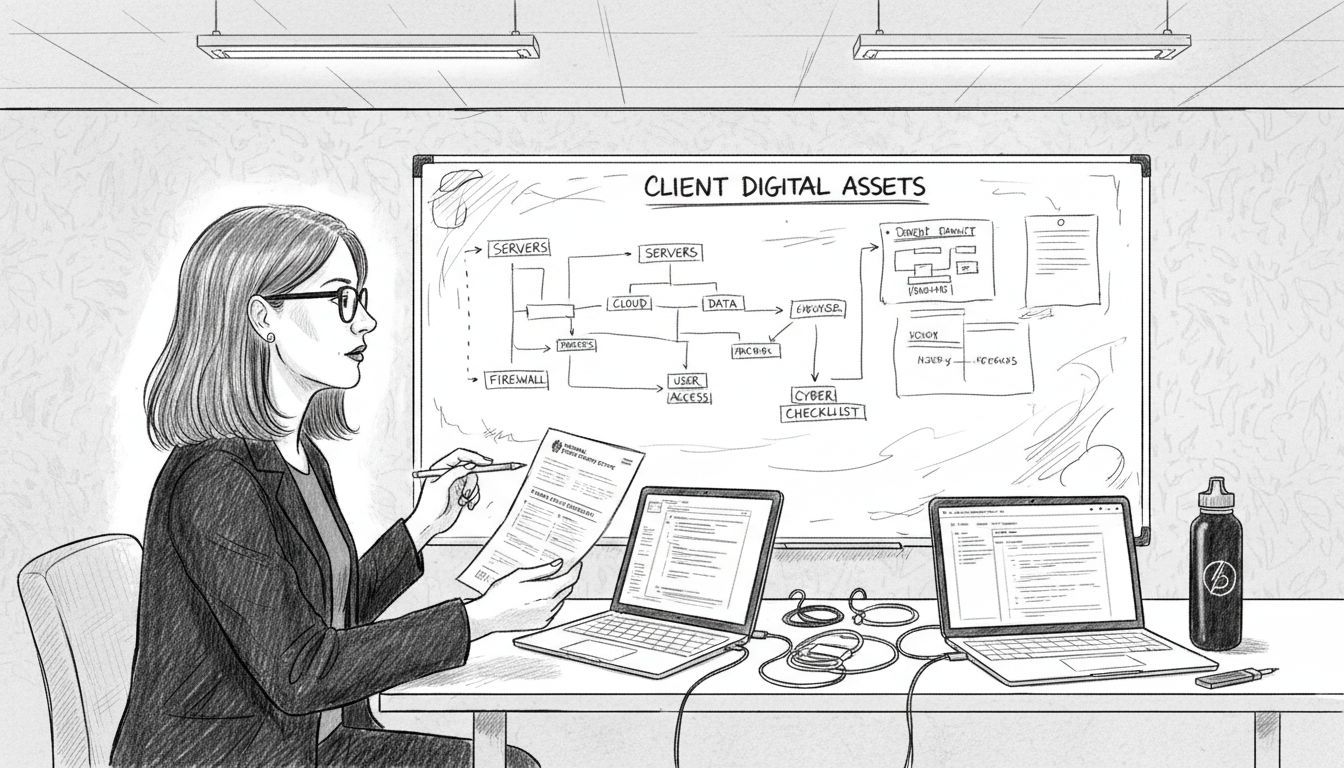
Next, conduct a thorough vulnerability assessment by evaluating each asset’s potential security risks. This involves examining current protection mechanisms, identifying potential entry points for cyber threats, and understanding the potential impact of a potential breach. Prioritise your assessment by focusing on systems with the highest business criticality and data sensitivity. The Federation of Small Businesses recommends creating a detailed risk register that categorises vulnerabilities by their likelihood and potential business impact.
Expert Advice: Perform your initial risk assessment quarterly and update your risk register in real time as new technologies or business processes are introduced.
Step 2: Develop a tailored cyber compliance plan
Developing a tailored cyber compliance plan transforms your risk assessment into a strategic roadmap for protecting your organisation’s digital assets. This crucial step translates your identified vulnerabilities into actionable security strategies specific to your business needs.
Begin by leveraging the National Cyber Security Centre’s Cyber Action Toolkit to structure your compliance framework. Your plan should articulate clear objectives prioritising your most critical systems and data. Break down your strategy into specific domains including access control, data protection, incident response, and staff training. Each section must outline precise controls, responsible personnel, implementation timelines, and measurable outcomes.
Align your compliance plan with the broader UK Government Cyber Security Strategy principles, ensuring your approach meets national standards while remaining flexible to your organisation’s unique requirements. Consider your sector specific risks, available resources, and potential future technological changes. Document your governance structure clearly defining roles such as security leadership, reporting mechanisms, and accountability protocols.
Expert Advice: Create a living document that can be dynamically updated as your business evolves, ensuring your cyber compliance plan remains relevant and responsive to emerging threats.
Step 3: Implement robust security controls
Implementing robust security controls transforms your cyber compliance strategy from theoretical planning into practical protection. This critical step involves deploying comprehensive technical and organisational safeguards that directly address the vulnerabilities identified during your initial risk assessment.
Comprehensive security controls must encompass multiple layers of defence. Begin with fundamental technical protections such as configuring enterprise firewalls, implementing multi-factor authentication, and establishing robust access management protocols. Ensure your endpoint protection covers all devices including mobile and remote working equipment, with regularly updated anti-malware software and secure configuration management.
Beyond technical implementations, focus on administrative controls that reinforce your security infrastructure. UK Government Security guidance emphasises creating clear policies around data handling, user permissions, and incident response. Develop comprehensive training programmes that educate staff about potential cyber risks, social engineering tactics, and their individual responsibilities in maintaining organisational security. Regular testing and simulated scenarios will help validate the effectiveness of your implemented controls and identify potential improvement areas.
Expert Advice: Schedule quarterly comprehensive security control reviews to ensure your defences remain adaptive and responsive to evolving technological landscapes and emerging cyber threats.
The following table compares technical and organisational security controls:
Control Type | Example Measures | Business Benefit |
Technical | Firewalls, encryption, MFA | Reduce unauthorised access risks |
Organisational | Staff training, clear policies | Foster security culture and compliance |
Step 4: Test and review compliance posture
Testing and reviewing your cyber compliance posture provides a critical opportunity to validate the effectiveness of your security controls and identify potential vulnerabilities before they can be exploited. This systematic evaluation ensures your organisation remains resilient and proactively prepared against emerging cyber threats.
The Information Commissioner’s Office recommends conducting comprehensive internal reviews and external audits to assess your security infrastructure. Begin with thorough vulnerability assessments that include penetration testing, network scanning, and simulated cyber attack scenarios. These tests should comprehensively examine your technical defences, identifying potential weaknesses in firewalls, access management systems, and endpoint protections.
UK Government research highlights the importance of structured compliance evaluation that goes beyond technical testing. Create detailed documentation tracking each assessment, recording discovered vulnerabilities, and developing specific remediation strategies. Implement a continuous improvement cycle where findings are promptly addressed, with clear accountability and timelines for resolving identified gaps in your security posture.
Expert Advice: Document every compliance review meticulously and treat each finding as an opportunity for strategic improvement rather than a mere checklist exercise.
Step 5: Maintain and evidence ongoing compliance
Maintaining and evidencing ongoing compliance transforms cyber security from a one-time project into a dynamic, continuous process of organisational protection. This critical stage ensures your business remains resilient and demonstrably prepared against evolving regulatory requirements and cyber risks.
Comprehensive compliance calendars and systematic record-keeping are fundamental to successful long-term cyber resilience. Establish a robust documentation system that captures every security control implementation, staff training session, vulnerability assessment, and incident response test. Create standardised templates for logging activities, ensuring consistency and facilitating easy retrieval during external audits or internal reviews.
Implement a proactive approach to compliance management by developing transparent action logs and embedding compliance evidence into daily operations. Schedule regular internal reviews that assess the effectiveness of your existing controls, update risk registers, and validate that your security strategies remain aligned with current technological landscapes and regulatory expectations. Ensure all team members understand their roles in maintaining ongoing compliance and have clear pathways for reporting potential gaps or improvements.
Expert Advice: Treat compliance documentation as a living narrative of your organisation’s security journey and invest time in making it clear, comprehensive, and strategically valuable.
Here is a summary of key steps and their primary focus in building cyber resilience:
Step | Primary Objective | Main Outcome |
Assess risk profile | Identify vulnerabilities | Snapshot of weaknesses |
Develop compliance plan | Align controls to business priorities | Tailored framework |
Implement security controls | Deploy safeguards | Enhanced defence layers |
Test & review compliance | Validate effectiveness | Identified improvement areas |
Maintain ongoing compliance | Evidence continuous alignment | Demonstrated long-term resilience |
Strengthen Your Cyber Compliance Journey with Expert Guidance
Navigating the complexities of cyber compliance can feel overwhelming for UK SMEs trying to assess risks, develop tailored plans, and maintain ongoing resilience. This guide highlights the challenges of transforming a risk assessment into actionable security measures while keeping pace with evolving threats and regulatory demands. Common hurdles include creating dynamic risk registers, implementing effective security controls, and continuously evidencing compliance to build trust and protect critical data.
At Freshcyber, we specialise in partnering with SMEs to address these pain points head on. Our flagship Virtual CISO (vCISO) service offers strategic roadmaps, gap analysis, and hands-on risk management that links directly to your organisation’s needs. Combined with our expertise in Compliance frameworks and Vulnerability Management, we help you move beyond basic certification to achieve true, demonstrable cyber resilience. Our team ensures that every step - from initial audits to ongoing adherence - is managed proactively, so your business can confidently face today’s cyber threats.

Take control of your cyber compliance today by partnering with Freshcyber. Visit our website at Freshcyber to discover how our tailored services empower UK SMEs to safeguard their digital future and satisfy compliance requirements with ease.
Frequently Asked Questions
What is the first step in the cyber compliance process for UK SMEs?
Assessing your cyber risk profile is the first step. Start by mapping out your digital assets and identifying vulnerabilities across your technology infrastructure within the next 30 days.
How can I develop a tailored cyber compliance plan for my organisation?
Begin by leveraging existing frameworks to outline clear objectives tailored to your specific needs. Break down the plan into domains like access control and data protection, aiming to have a draft ready within 60 days.
What types of security controls should I implement for effective cyber compliance?
Implement both technical and organisational security controls, such as firewalls and employee training programmes. Aim for a balanced approach that includes both aspects to enhance your overall protection within 90 days.
How often should I test and review my compliance posture?
Conduct comprehensive reviews and tests at least quarterly to validate your security measures. Schedule these assessments to ensure that your organisation can adapt to emerging threats and vulnerabilities continually.
What documents should I maintain to evidence ongoing compliance?
Establish a robust documentation system that records all security controls, assessments, and staff training activities. Keep this documentation updated regularly to demonstrate your compliance during internal reviews and external audits.
How can I ensure my cyber compliance plan remains relevant as my business changes?
Treat your compliance plan as a living document that can be updated as new technologies or business processes are introduced. Set a regular review schedule to revisit and revise the plan every six months based on current trends and needs.
Recommended
Comments