Role of Cybersecurity in Healthcare - Protecting Patient Trust
- Gary Sinnott

- Jan 10
- 7 min read
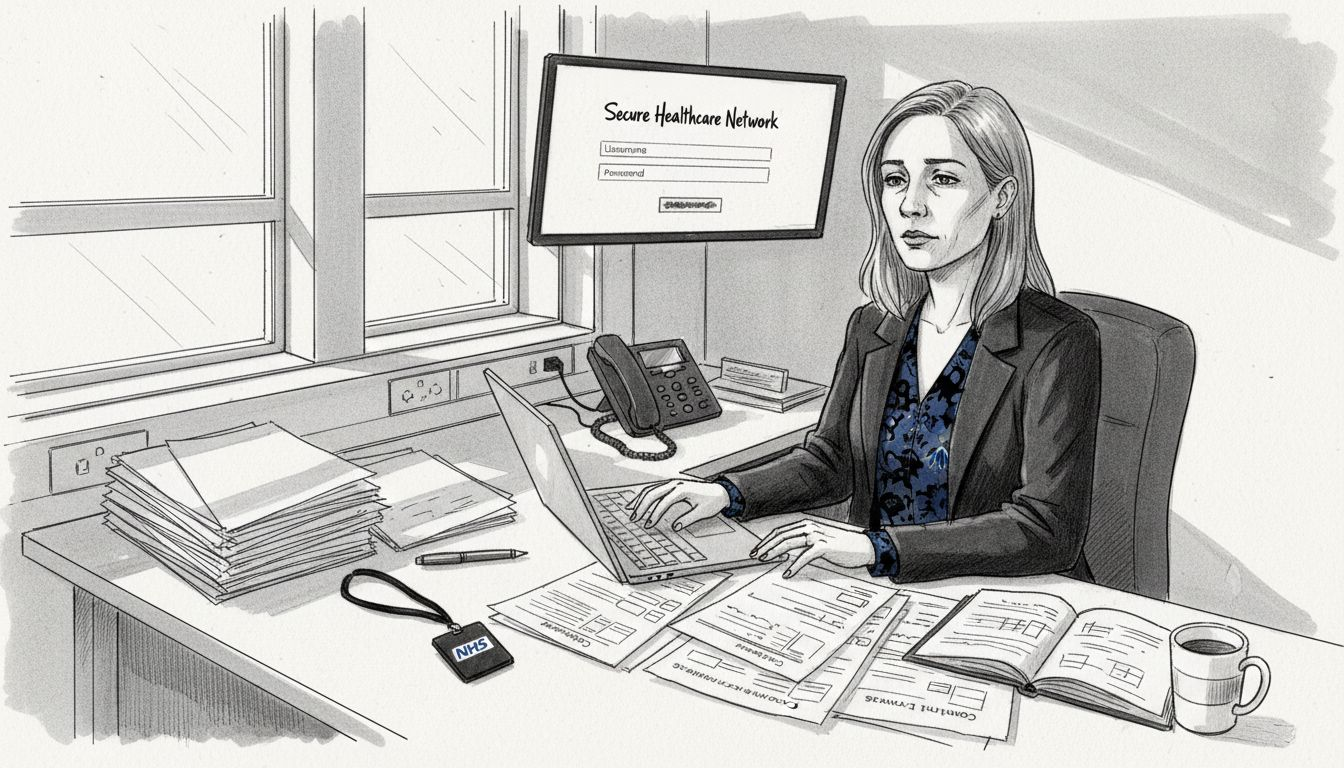
British healthcare organisations face some of the highest reported cyber incidents in Europe, with sensitive patient data and essential medical services often at risk. For CIOs and Compliance Officers in UK healthcare SMEs, understanding the true scope of cybersecurity is not just about ticking regulatory boxes but about safeguarding operational resilience and meeting ISO 27001 standards. This article outlines the strategies that help protect patients, assure compliance, and strengthen your digital defences against evolving threats.
Table of Contents
Key Takeaways
Point | Details |
Comprehensive Cybersecurity Approach | UK healthcare cybersecurity involves a multi-layered strategy encompassing technology, procedures, and human elements to protect sensitive patient information and maintain service continuity. |
Emerging Threats and Challenges | Healthcare organisations must be vigilant against sophisticated threats such as ransomware, data breaches, and service disruptions that can severely impact patient safety and institutional reputation. |
Legal Compliance | Adhering to regulations such as the Data Protection Act 2018 and the UK GDPR is essential for safeguarding patient data and avoiding significant penalties for non-compliance. |
Third-Party Risk Management | Effective cybersecurity requires rigorous assessment of third-party vendors to mitigate risks associated with interconnected systems and supply chains. |
Defining Cybersecurity in UK Healthcare
Cybersecurity in healthcare represents a sophisticated system of digital protections designed to safeguard patient information, medical infrastructure, and critical health service continuity. Within the United Kingdom, this discipline goes far beyond simple data protection, emerging as a comprehensive strategy to maintain the integrity of complex medical networks and preserve patient trust.
The UK government’s cyber security strategy defines healthcare cybersecurity as a multi-layered approach encompassing technological, procedural, and human elements. This holistic framework addresses potential vulnerabilities across primary care, secondary care, social services, and interconnected digital supply chains. Key components include:
Protecting electronic patient records
Securing medical device networks
Preventing unauthorized system access
Maintaining continuous service availability
Ensuring compliance with data protection regulations
Understanding cybersecurity requires recognising that healthcare presents unique challenges. Medical systems handle extremely sensitive personal data while simultaneously supporting critical life-sustaining services. A single security breach could compromise patient safety, disrupt medical treatments, and potentially endanger human lives. Emerging cybersecurity challenges increasingly involve artificial intelligence integration, requiring continuous adaptation of protective strategies.
Pro tip: Conduct quarterly comprehensive cybersecurity assessments to identify and mitigate potential vulnerabilities before they become critical security risks.

Major Threats Facing Healthcare Organisations
Healthcare organisations across the United Kingdom face an increasingly complex landscape of cybersecurity challenges that threaten patient safety, operational continuity, and institutional reputation. Sophisticated cyber threats are evolving rapidly, targeting the healthcare sector’s unique vulnerabilities and exploiting critical system weaknesses.
The UK government’s cybersecurity strategy identifies several primary threat categories that demand immediate attention:
Ransomware attacks: Malicious software that encrypts critical systems and demands financial payment
Personal data breaches: Unauthorised access to sensitive patient information
Service disruption: Cyber incidents that interrupt medical treatments and patient care
Legacy system exploitation: Targeting outdated technological infrastructure
Supply chain vulnerabilities: Compromising interconnected medical technology networks
Understanding these threats requires recognising their potential catastrophic consequences. A single successful cyberattack could potentially compromise patient records, interrupt life-critical medical services, and cause significant financial and reputational damage. The government’s cyber security strategy emphasises the need for comprehensive, proactive defence mechanisms that address technological, procedural, and human factors.

The following table outlines how different types of cyber threats affect UK healthcare organisations’ daily operations:
Threat Type | Immediate Impact | Long-Term Consequences |
Ransomware attack | Service access blocked | Loss of trust, financial losses |
Data breach | Sensitive records exposed | Regulatory penalties, reputation damage |
System disruption | Clinical workflows halted | Delayed treatments, missed diagnoses |
Supply chain attack | Compromised medical equipment | Ongoing system vulnerability |
Legacy system exploit | Increased downtime | Costly infrastructure upgrades |
Pro tip: Implement a continuous monitoring system that provides real-time threat detection and immediate response protocols for potential cybersecurity breaches.
Legal Obligations and Compliance Standards
Healthcare organisations in the United Kingdom must navigate a complex landscape of legal requirements designed to protect patient data and ensure robust cybersecurity practices. NHS Cyber Security Charter establishes comprehensive guidelines that go beyond mere recommendations, creating a framework for comprehensive digital protection.
Key legal obligations for healthcare organisations include:
Data Protection Act 2018: Mandates strict handling of personal health information
UK GDPR: Requires explicit consent for data processing and robust security measures
Network and Information Systems (NIS) Regulations: Establishes minimum security standards
Digital Security Protection Toolkit (DSPT): Requires annual cybersecurity assessments
Caldicott Principles: Governs patient data confidentiality and ethical information sharing
The UK Cyber Security Strategy emphasises a holistic approach to compliance, requiring organisations to implement proportionate security measures, conduct regular risk assessments, and maintain transparent incident reporting mechanisms. Non-compliance can result in significant financial penalties, reputational damage, and potential legal action, underscoring the critical importance of proactive cybersecurity management.
This table summarises key UK legal requirements relevant to healthcare cybersecurity:
Regulation or Standard | Main Focus | Relevance to Healthcare |
Data Protection Act 2018 | Data privacy and handling | Safeguards patient records |
UK GDPR | Consent and data security | Enforces strict access control |
NIS Regulations | Network infrastructure protection | Ensures operational resilience |
Caldicott Principles | Confidentiality and ethics | Governs ethical sharing of data |
Pro tip: Develop a comprehensive compliance checklist that maps your organisation’s cybersecurity practices against each relevant legal requirement to ensure complete coverage and minimal risk.
Supply Chain and Third-Party Risk Exposure
Healthcare organisations face unprecedented challenges in managing cybersecurity risks across complex technological supply chains. NHS Cyber Security Charter establishes rigorous standards that extend far beyond traditional vendor management, creating a comprehensive framework for collaborative cyber defence.
Key risk areas in third-party cybersecurity management include:
Software and hardware vendors: Potential vulnerabilities in medical technology systems
Cloud service providers: Data storage and transmission security risks
Telecommunications infrastructure: Network communication vulnerability points
Medical equipment manufacturers: Potential backdoors in diagnostic and treatment technologies
Data processing and analytics partners: Potential data handling and privacy breaches
The UK government’s cybersecurity strategy emphasises collective defence, requiring organisations to develop robust risk assessment protocols that continuously evaluate and mitigate potential vulnerabilities across entire supply networks. This approach recognises that cybersecurity is no longer an isolated function but a shared responsibility that demands transparent communication, regular audits, and proactive risk management strategies.
Pro tip: Implement a standardised vendor risk assessment questionnaire that comprehensively evaluates potential suppliers’ cybersecurity practices before onboarding and conduct periodic reassessments.
Patient Safety and Operational Disruption
Cyberattacks pose a direct and immediate threat to patient safety, transforming digital vulnerabilities into potential life-threatening risks. Patient care disruption represents more than a technological challenge; it is a critical healthcare emergency that can compromise clinical processes, delay treatments, and undermine patient trust.
The most significant operational disruption risks include:
Medical record access interruption: Preventing healthcare professionals from retrieving critical patient information
Diagnostic equipment compromise: Rendering medical devices and scanning technologies non-functional
Treatment system failures: Disrupting computerised medication dispensing and monitoring systems
Communication network breakdowns: Preventing real-time coordination between medical teams
Emergency response system interference: Potentially delaying critical life-saving interventions
The UK government’s cybersecurity strategy emphasises comprehensive protective measures that go beyond technological defence. These include rapid incident detection protocols, robust system recovery processes, and collaborative resource-sharing mechanisms designed to maintain continuous care delivery and protect sensitive patient data. Understanding these risks requires recognising that cybersecurity is fundamentally about preserving human life and maintaining the integrity of healthcare services.
Pro tip: Create a detailed incident response plan with specific protocols for maintaining patient care during potential cybersecurity disruptions, including manual workarounds and backup communication systems.
Building True Cyber Resilience for SMEs
Cyber resilience for small and medium enterprises represents a strategic approach that goes far beyond traditional cybersecurity measures. Fundamental cyber hygiene practices are critical for organisations with limited resources, enabling them to develop robust defensive capabilities against increasingly sophisticated digital threats.
Key components of comprehensive cyber resilience include:
Risk Assessment: Systematically identifying and prioritising potential vulnerabilities
Access Control Management: Implementing strict authentication and permission protocols
Continuous Staff Training: Developing human firewalls through regular cybersecurity education
Incident Response Planning: Creating adaptable strategies for swift threat mitigation
Regular System Updates: Maintaining current technological defences and patch management
Successful cyber resilience requires a holistic approach that integrates technological solutions, human expertise, and adaptive strategic planning. SMEs must recognise that cybersecurity is not a one-time investment but a continuous process of learning, adapting, and strengthening digital defence mechanisms. This approach transforms potential vulnerabilities into opportunities for organisational growth and trust-building with customers and partners.
Pro tip: Conduct quarterly cybersecurity maturity assessments to systematically identify improvement areas and track your organisation’s evolving resilience capabilities.
Strengthen Your Healthcare Cybersecurity with Expert Guidance
The challenge of protecting sensitive patient data and maintaining uninterrupted healthcare services is critical in today’s digital landscape. This article highlights the pressing threats like ransomware, data breaches, and supply chain vulnerabilities that UK healthcare organisations face daily. Freshcyber understands the urgency of these risks and helps small and medium-sized enterprises move beyond basic certification to build true cyber resilience through strategic leadership and hands-on expertise. By aligning your security framework with standards like ISO 27001 and Cyber Essentials, and by actively managing risks and vulnerabilities, you can safeguard patient trust and ensure operational continuity.
Explore how our Cyber Essentials services provide a strong foundation against common threats and how our thorough Vulnerability Management uncovers hidden weaknesses before attackers do.

Take control of your healthcare cybersecurity with Freshcyber as your dedicated security partner. Visit https://freshcyber.co.uk today to discover how our Virtual CISO service can create and execute a tailored cyber strategy for your organisation. Act now to protect patient safety, maintain compliance, and build lasting digital resilience.
Frequently Asked Questions
What is the role of cybersecurity in protecting patient trust?
Cybersecurity in healthcare protects sensitive patient information, ensuring the integrity of medical networks and continuity of health services. It helps maintain patient trust by safeguarding personal data from breaches and cyber threats.
What are the major threats to cybersecurity in healthcare?
Healthcare organisations face threats including ransomware attacks, personal data breaches, service disruptions, exploitation of legacy systems, and vulnerabilities in the supply chain, all of which can compromise patient safety and operational integrity.
How do legal obligations impact cybersecurity practices in healthcare?
Healthcare organisations must comply with regulations like the Data Protection Act 2018 and UK GDPR, which mandate strict handling of patient information. Non-compliance can lead to significant penalties and reputational damage, highlighting the importance of robust cybersecurity practices.
How can healthcare organisations improve their cyber resilience?
Healthcare organisations can enhance their cyber resilience by conducting regular risk assessments, implementing strict access controls, providing continuous staff training, maintaining up-to-date systems, and developing incident response plans for swift threat management.
Recommended
Comments